A comprehensive, ecology-driven guide to African lions in Kenya for conservation-minded travelers, researchers, and wildlife enthusiasts
Kenya is one of Africa’s most important strongholds for the African Lion, supporting some of the continent’s most intensively studied and culturally significant populations. Lions in Kenya are not only iconic safari animals; they are apex predators, keystone species, and indicators of ecosystem integrity across savanna, woodland, and semi-arid landscapes.
This guide covers all key entity topics related to lions in Kenya—biology, distribution, behavior, prides, conservation, threats, and where to see them—designed to rank strongly for “lions in Kenya” while remaining scientifically grounded.
1. Taxonomy and Scientific Classification
- Scientific name: Panthera leo
- Subspecies: African lion (Panthera leo leo)
- IUCN Red List status: Vulnerable (globally)
Kenyan lions belong to the African lion subspecies, genetically closer to West and Central African populations than to the Asiatic lion of India. Kenya’s populations are critical for East African genetic diversity, especially within the wider Serengeti–Mara ecosystem.
2. Where Lions Live in Kenya (Geographic Distribution)

5
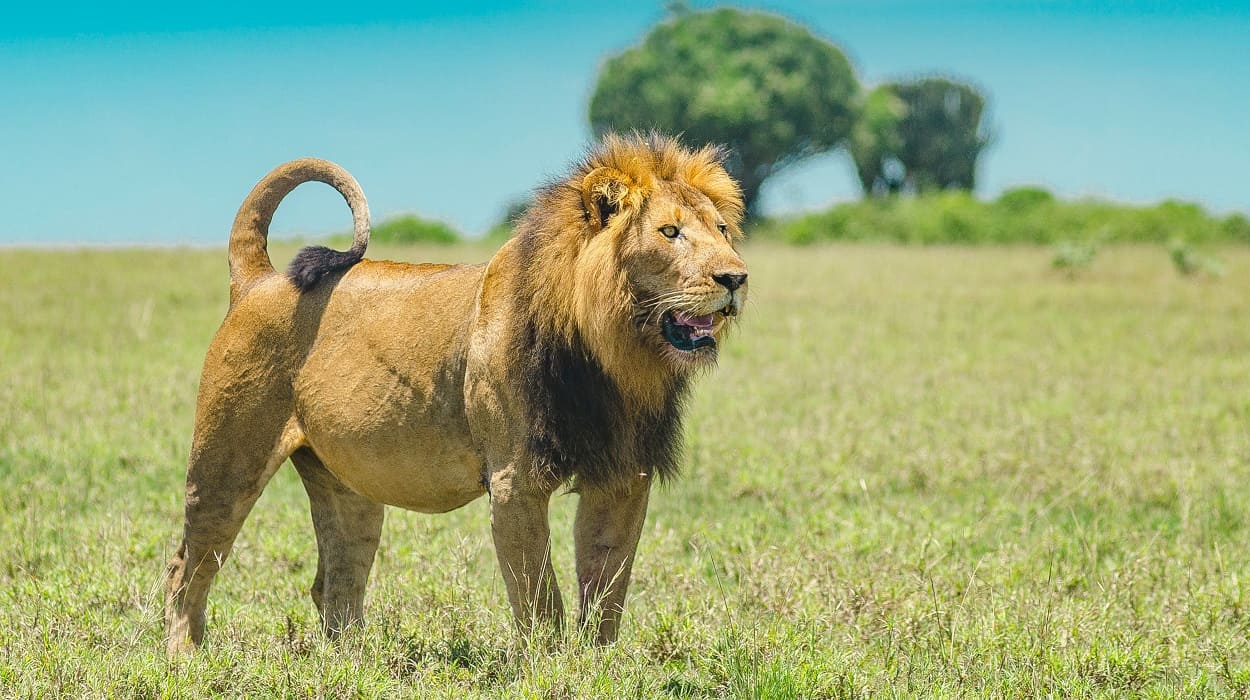
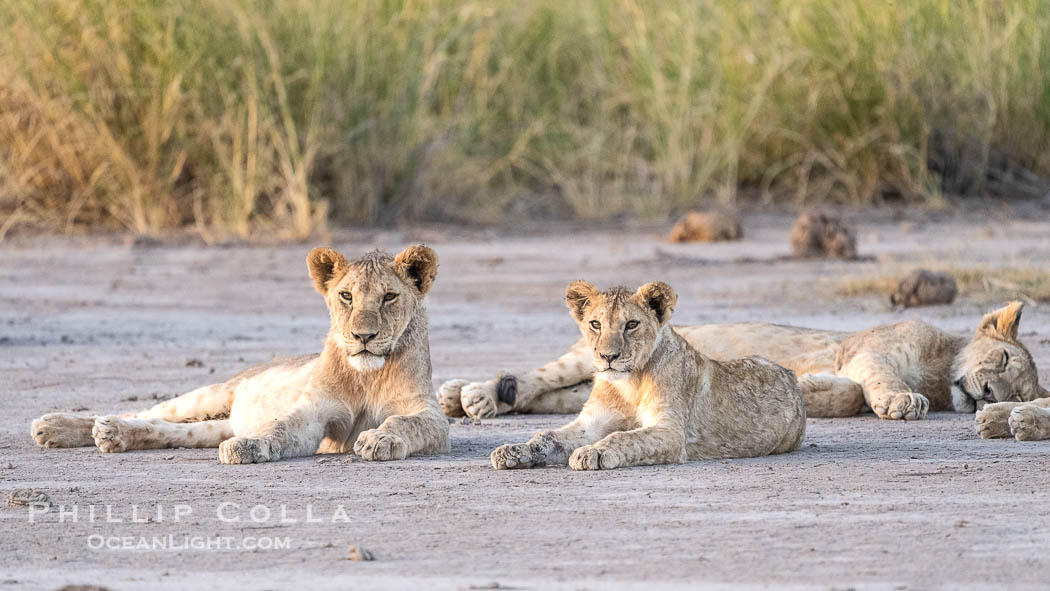
Lions occur in most major wildlife landscapes in Kenya, though densities vary considerably.
Key lion landscapes
- Masai Mara National Reserve – Kenya’s highest lion densities; part of the greater Serengeti–Mara population
- Amboseli National Park – Well-studied prides living alongside elephants and pastoralist communities
- Tsavo East National Park & Tsavo West National Park – Famous for maneless or sparsely maned males
- Laikipia Plateau – Important stronghold on private and community conservancies
- Samburu National Reserve – Lower densities, adapted to arid conditions
Lions require large, connected landscapes, making dispersal areas outside parks just as important as protected cores.
3. Lion Ecology and Behavior
Social structure: the pride
Lions are unique among big cats for their social organization.
- Typical prides include related adult females, their cubs, and one to several males
- Females do most hunting and cub-rearing
- Males defend territory and breeding rights
In Kenya, pride size varies:
- Masai Mara: often larger prides due to abundant prey
- Tsavo and Samburu: smaller prides adapted to harsher environments
Hunting and diet
Lions primarily hunt medium to large herbivores, including:
- Wildebeest, zebra, buffalo
- Occasionally giraffe or young elephants
Hunting success depends on cooperation, cover, and prey density, with most hunts occurring at night or dawn.
4. Lions and the Kenyan Savanna Ecosystem
Lions function as apex predators, shaping ecosystems through:
- Regulating herbivore populations
- Influencing prey behavior and movement
- Indirectly supporting vegetation recovery
In places like the Masai Mara, lion predation interacts with:
- Spotted hyenas (dominant competitors)
- Cheetahs and leopards (subordinate predators)
Healthy lion populations signal intact food webs.
5. Famous Lion Populations and Research in Kenya

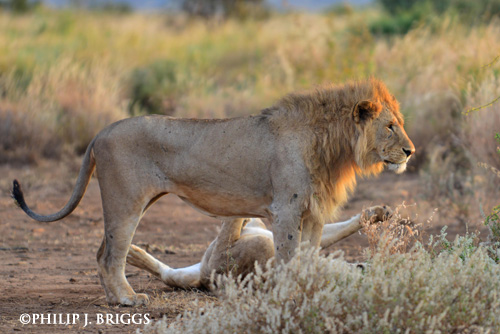

Kenya hosts some of Africa’s longest-running lion studies:
- Masai Mara lion prides are among the best documented globally, with named prides tracked over decades
- Amboseli lions have been monitored alongside elephants, offering insights into predator–prey coexistence
- Tsavo lions are renowned for reduced manes, likely linked to climate and genetics
These studies have shaped global understanding of lion behavior, disease dynamics, and human–carnivore conflict.
6. Cultural Importance of Lions in Kenya
Lions hold deep cultural significance, particularly among Maasai communities:
- Symbol of strength, bravery, and leadership
- Historically involved in rites of passage (now largely replaced by conservation-friendly alternatives)
Modern conservation in Kenya increasingly integrates cultural values with coexistence strategies, including lion guardianship programs.
7. Conservation Status and Threats to Lions in Kenya
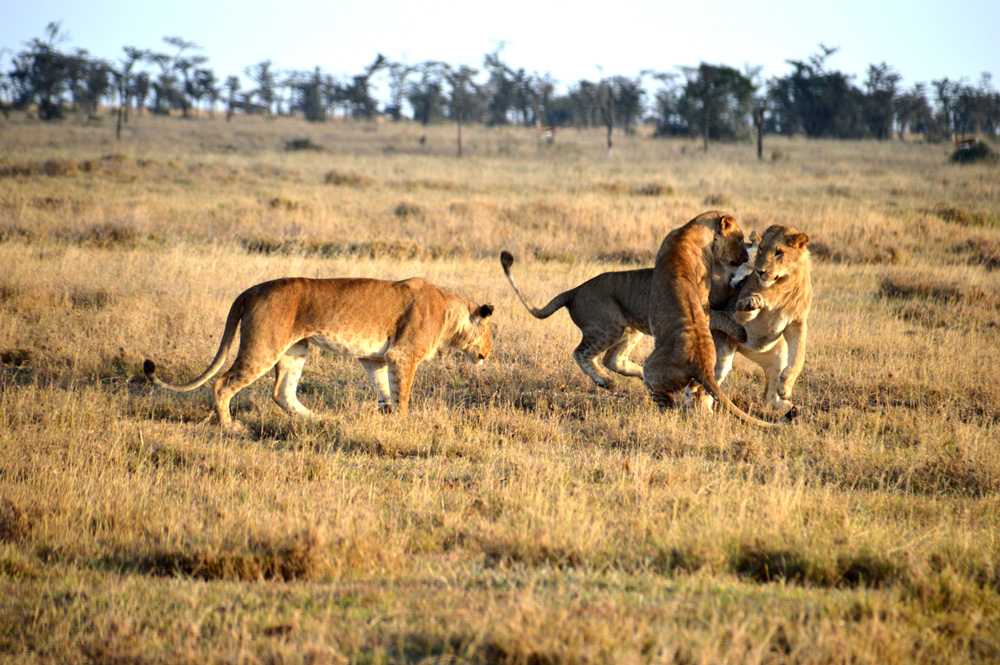

Although still visible on safari, lions face serious threats:
Major threats
- Habitat loss and fragmentation
- Human–lion conflict, especially livestock predation
- Poisoning, often indirect via carcasses
- Prey depletion outside protected areas
Kenya’s lion population has declined significantly over the past decades, making community conservancies and wildlife corridors essential.
8. Lion Conservation Efforts in Kenya
Kenya is a leader in lion conservation innovation, including:
- Community conservancies integrating wildlife and livelihoods
- Compensation schemes for livestock losses
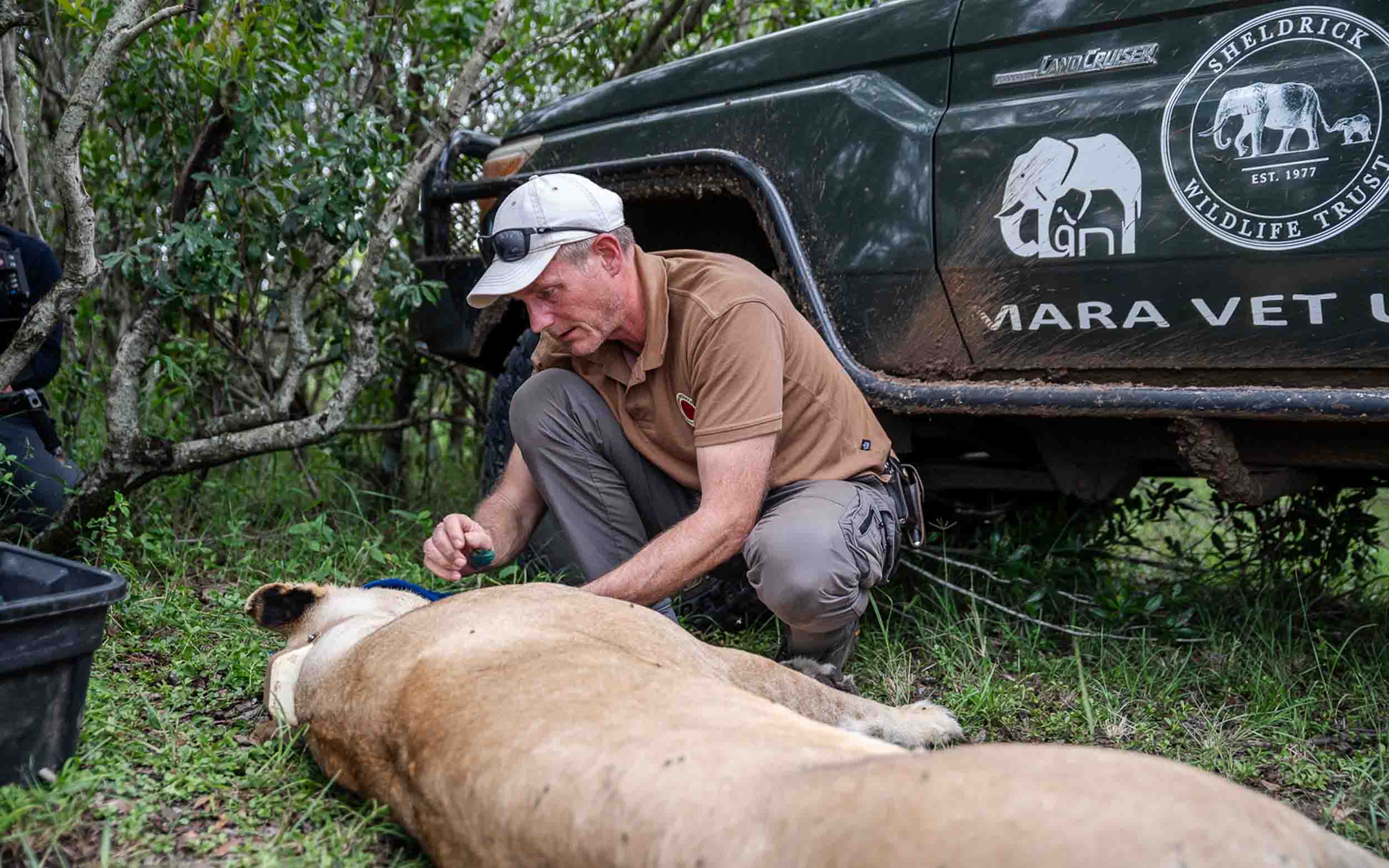
- Lion monitoring using GPS collars
- Education and coexistence programs led by local communities
These approaches have stabilized or increased lion numbers in some landscapes, particularly outside national parks.
9. Best Places to See Lions in Kenya


For visitors, Kenya offers some of Africa’s best lion viewing:
- Masai Mara: highest success rates year-round
- Amboseli: dramatic backdrops of Mount Kilimanjaro
- Tsavo: raw wilderness and unique lion morphology
- Laikipia conservancies: fewer vehicles, excellent sightings
Early morning and late afternoon drives yield the best encounters.
10. Lions in Kenya: Why They Matter
Lions are more than safari icons. In Kenya, they represent:
- The health of entire ecosystems
- The success—or failure—of coexistence between people and wildlife
- A global conservation responsibility
Protecting lions in Kenya means protecting savannas, prey species, cultural heritage, and future livelihoods.