A comprehensive, conservation-focused guide to giraffes in Kenya, covering species, distribution, ecology, threats, and where to see them
Kenya is one of the most important giraffe range countries in Africa, hosting three distinct giraffe taxa, each adapted to different ecological zones. Although giraffes are among the most visible animals on safari, several populations in Kenya are globally Endangered, making the country central to giraffe conservation.
1. Giraffe Taxonomy and Species in Kenya
Modern genetics recognize four giraffe species globally. Kenya hosts three, more than any other country.
Giraffe species found in Kenya
- Masai Giraffe – Endangered
- Reticulated Giraffe – Endangered
- Rothschild’s Giraffe – Endangered
Each species has a distinct coat pattern, geographic range, and conservation story, making Kenya uniquely valuable for giraffe biodiversity.
2. Where Giraffes Live in Kenya (Geographic Distribution)


5
Key giraffe landscapes in Kenya
- Masai Mara National Reserve – Stronghold for Masai giraffe
- Amboseli National Park – Open savanna giraffe populations
- Samburu National Reserve – Core range of the reticulated giraffe
- Laikipia Plateau – Mixed species presence on private and community conservancies
- Lake Nakuru National Park – Key refuge for Rothschild’s giraffe
- Nairobi National Park – Accessible urban giraffe population
Giraffes depend on large, connected rangelands, often spending much of their time outside national parks on community and private lands.
3. Giraffe Ecology and Behavior
Feeding ecology
Giraffes are selective browsers, feeding primarily on:
- Acacia (Vachellia and Senegalia species)
- Commiphora and other woody plants
Their long tongues and prehensile lips allow them to exploit food niches unavailable to other herbivores, reducing direct competition.
Social structure
- Live in loose, fluid groups rather than fixed herds
- Females form nursery groups; males range widely
- Adult males engage in “necking” contests to establish dominance
Group composition in Kenya varies with habitat openness and predation pressure.
4. Giraffes in Kenya’s Ecosystems
Giraffes play a subtle but important ecological role:
- Shape tree architecture through browsing
- Disperse seeds via dung
- Influence habitat use by other browsers
Unlike grazers, giraffes are most sensitive to loss of woody vegetation, not grassland degradation.
5. Conservation Status and Threats to Giraffes in Kenya
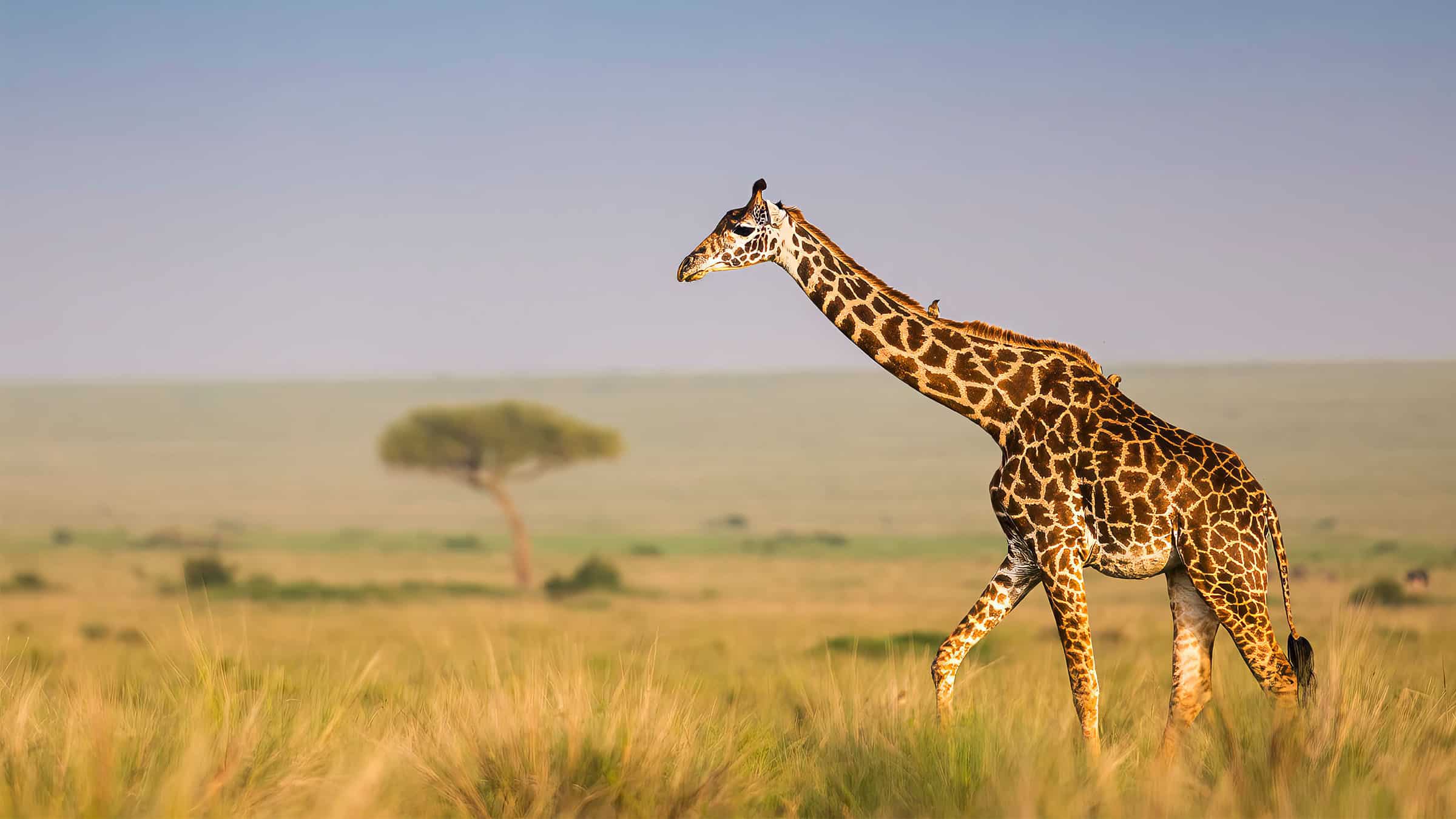
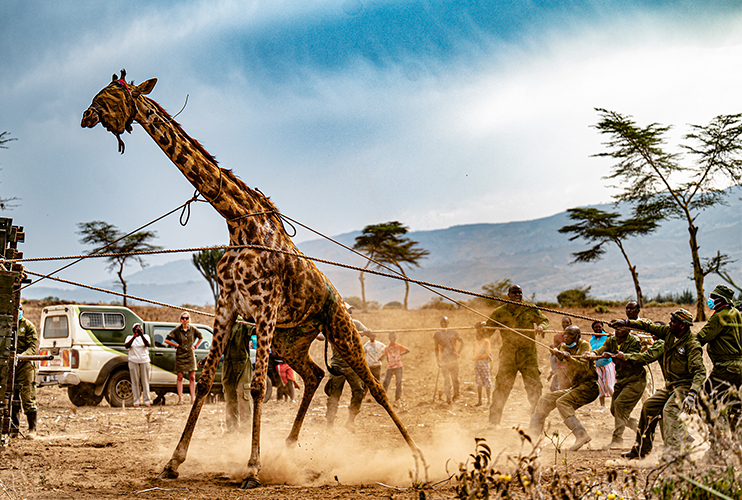
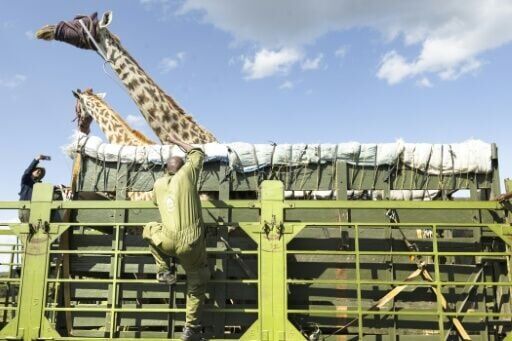
Despite their visibility, giraffes face serious threats.
Key threats
- Habitat loss and fragmentation, especially outside parks
- Illegal hunting for meat and hides
- Infrastructure development blocking movement corridors
- Low reproductive rates, limiting recovery speed
Kenya has lost a significant portion of its giraffe population in recent decades, prompting increased conservation focus.
6. Giraffe Conservation Efforts in Kenya
Kenya is a leader in active giraffe conservation, including:
- Translocation programs to establish insurance populations
- Community conservancies supporting coexistence
- Long-term monitoring and photographic identification
- Protection of key movement corridors
Rothschild’s giraffes, in particular, have benefited from intensive management and reintroductions in parks like Lake Nakuru.
7. Cultural and Educational Importance of Giraffes
Giraffes feature prominently in:
- Kenyan wildlife education and conservation messaging
- Ecotourism imagery and national branding
- Local folklore as symbols of vision and foresight
Urban populations, such as those in Nairobi National Park, play a critical role in public awareness and education.
8. Best Places to See Giraffes in Kenya
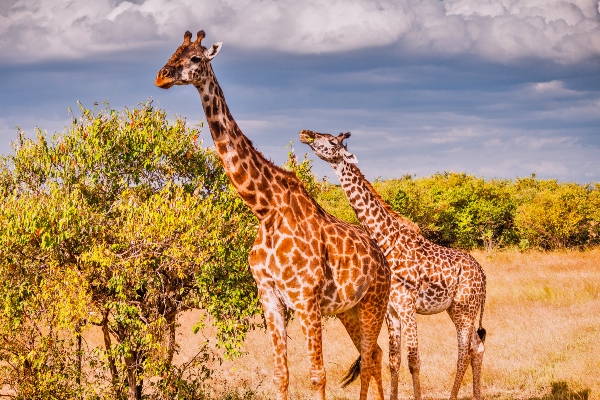
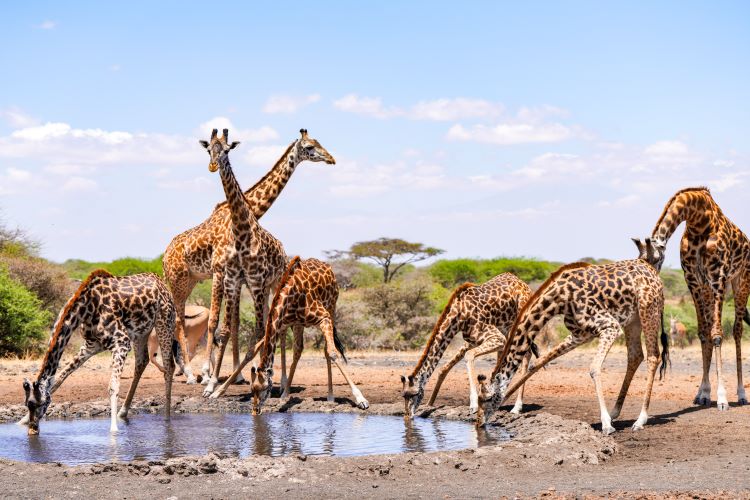
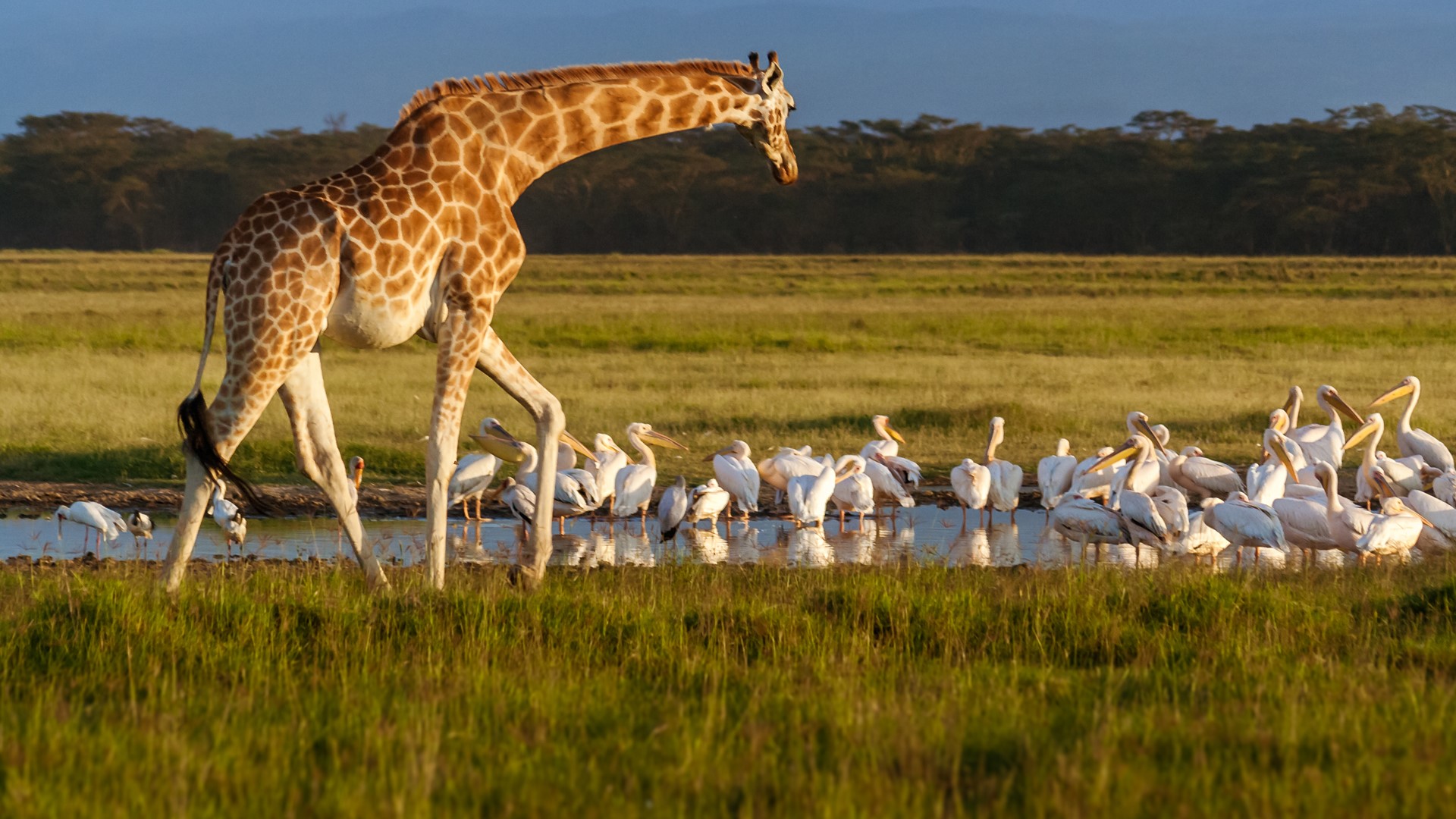
- Masai Mara: Large Masai giraffe groups year-round
- Samburu: World-class viewing of reticulated giraffes
- Lake Nakuru: Reliable sightings of Rothschild’s giraffes
- Laikipia conservancies: Fewer vehicles, excellent behavior observation
- Nairobi National Park: One of the easiest giraffe sightings in Africa
Early morning and late afternoon provide the best light and activity.
9. Giraffes in Kenya: Why They Matter
Giraffes are often described as “gentle giants,” but in Kenya they are also:
- Indicators of rangeland connectivity
- Flagship species for community-based conservation
- A reminder that even common safari animals can be globally endangered
Protecting giraffes in Kenya means protecting woody savannas, migration corridors, and coexistence landscapes.