A comprehensive, ecology-driven guide to Kenya’s birdlife, species groups, key habitats, and conservation significance
Kenya is one of the world’s premier birding destinations, with over 1,100 recorded bird species—more than Europe and North America combined. This extraordinary diversity is driven by Kenya’s position at the intersection of savanna, Rift Valley lakes, montane forests, arid north, coastal ecosystems, and major migratory flyways.
This expert guide provides a structured, authoritative overview of birds in Kenya, covering all key entity topics: major bird groups, flagship species, endemic and near-endemic birds, migrants, Important Bird Areas, conservation status, and where to see birds across the country.
1. Why Kenya Is a Global Birding Hotspot
Kenya’s avian richness is explained by four factors:
- Habitat diversity – grasslands, wetlands, forests, deserts, coastline
- Altitudinal range – from sea level to over 5,000 m
- Migratory crossroads – Palearctic and intra-African migrants
- Year-round accessibility – birds visible in all seasons
For this reason, Kenya is a cornerstone country for African and global bird conservation.
2. Major Bird Groups in Kenya (Taxonomic & Ecological Overview)
A. Birds of Prey (Raptors)


5
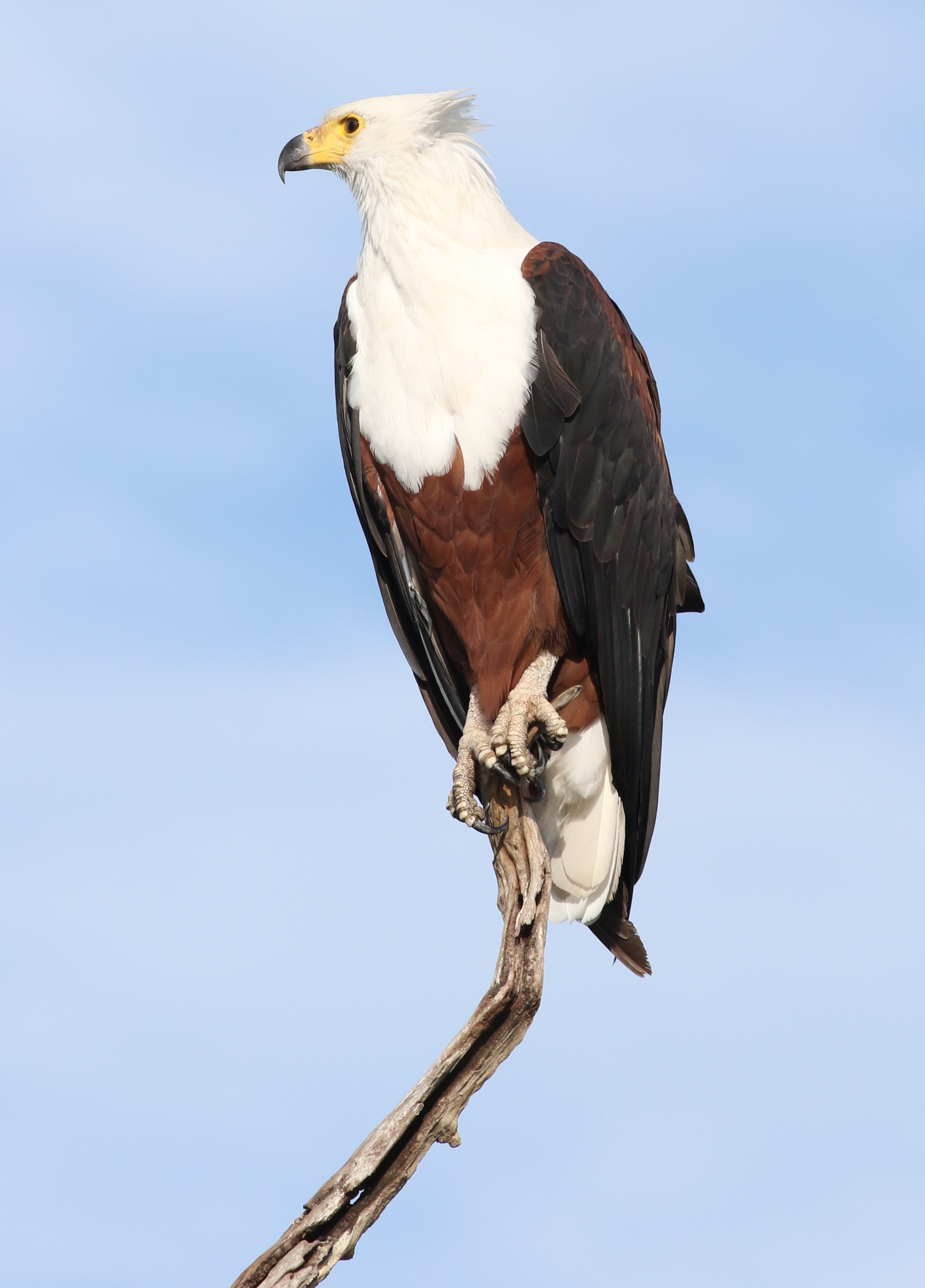
Kenya supports over 100 raptor species, making it one of Africa’s raptor strongholds.
Key species
- African Fish Eagle – lakes and rivers; iconic call
- Martial Eagle – Africa’s largest eagle (EN)
- Bateleur – Endangered, unmistakable flight
- Secretarybird – ground-hunting raptor (EN)
Vultures (conservation priority)
- African White-backed Vulture (CR)
- Rüppell’s Vulture (CR)
- White-headed Vulture (CR)
Kenya is a global priority landscape for vulture conservation.
B. Waterbirds & Wetland Specialists

4
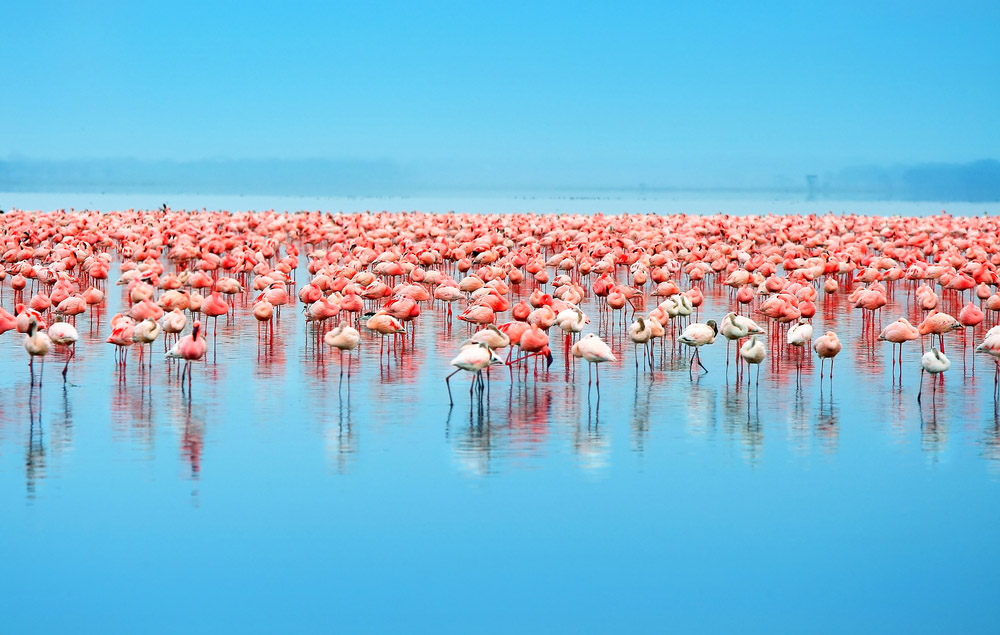
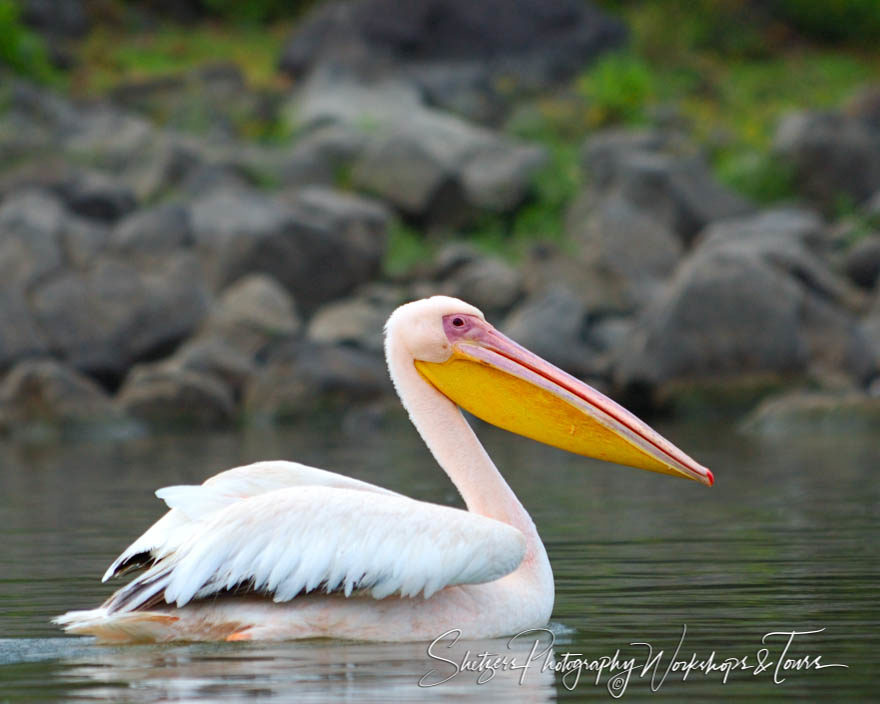
Wetlands and Rift Valley lakes support massive congregations.
Key species
- Lesser Flamingo – soda lakes (EN)
- Greater Flamingo
- Great White Pelican
- African Spoonbill
Core sites
- Lake Nakuru National Park
- Lake Bogoria
- Lake Naivasha
C. Savanna & Grassland Birds


4
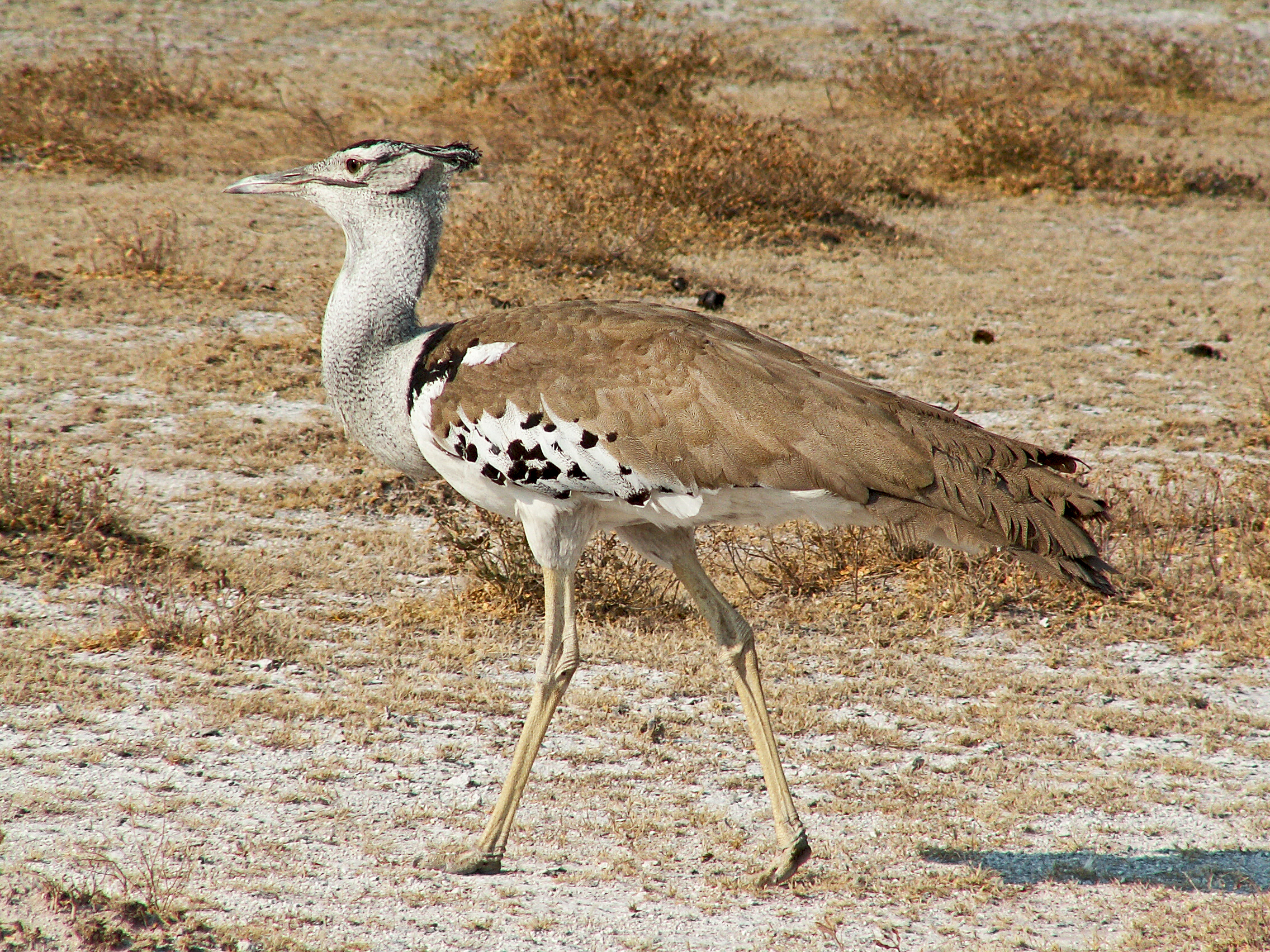
These are the birds most safari visitors encounter.
Iconic species
- Lilac-breasted Roller – Kenya’s national bird
- Kori Bustard – Africa’s heaviest flying bird
- Grey Crowned Crane (EN)
Prime habitats include the Masai Mara National Reserve, Amboseli, and Laikipia.
D. Forest & Montane Birds
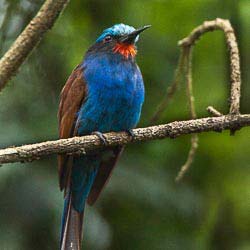
Kenya’s forests harbor many endemics and range-restricted species.
Key forest regions
- Kakamega Forest – Guinea–Congo affinity species
- Aberdare Range
- Mount Kenya
Representative species
- Great Blue Turaco
- Hartlaub’s Turaco
- African Green Broadbill (range-restricted)
E. Arid & Northern Specialties
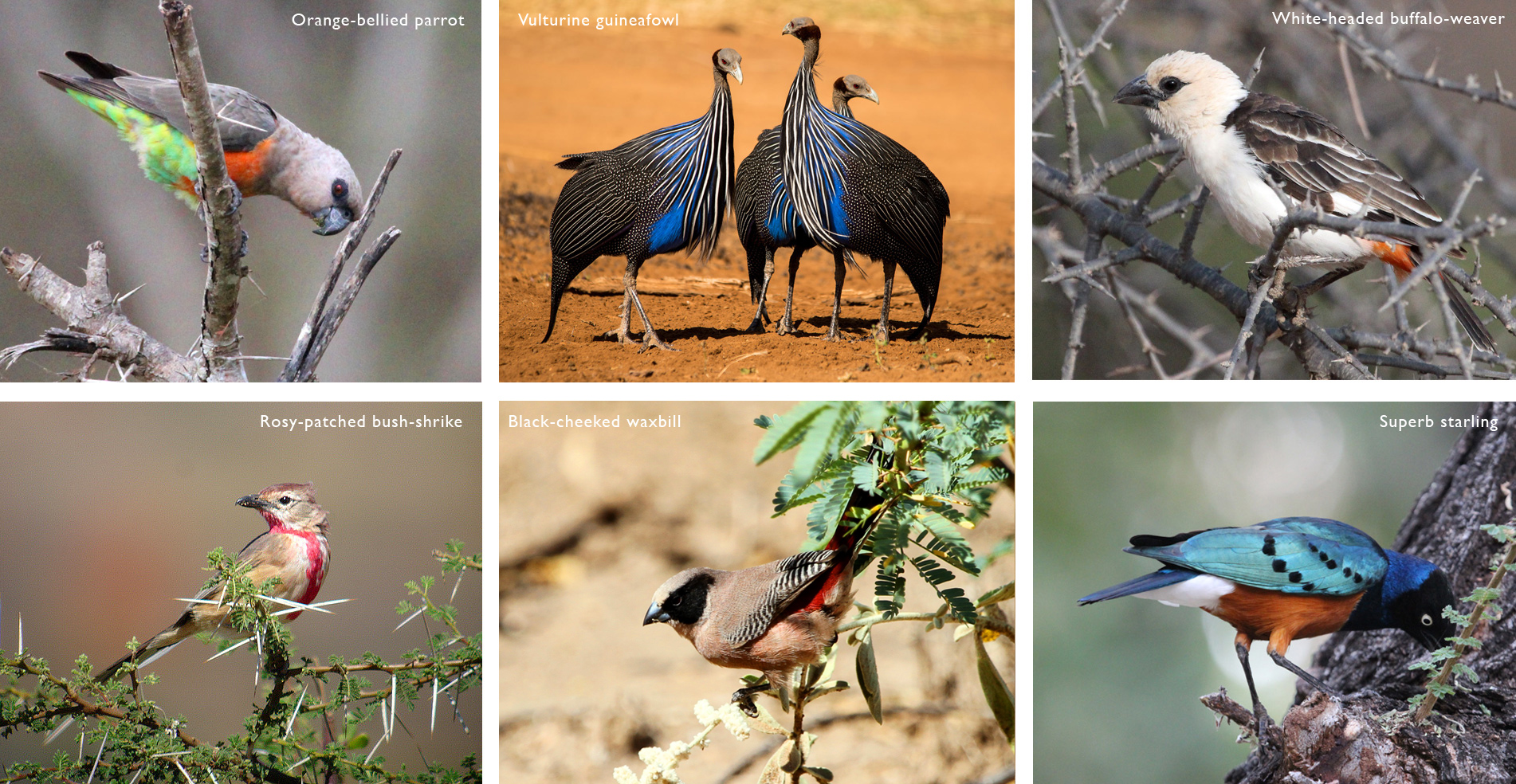

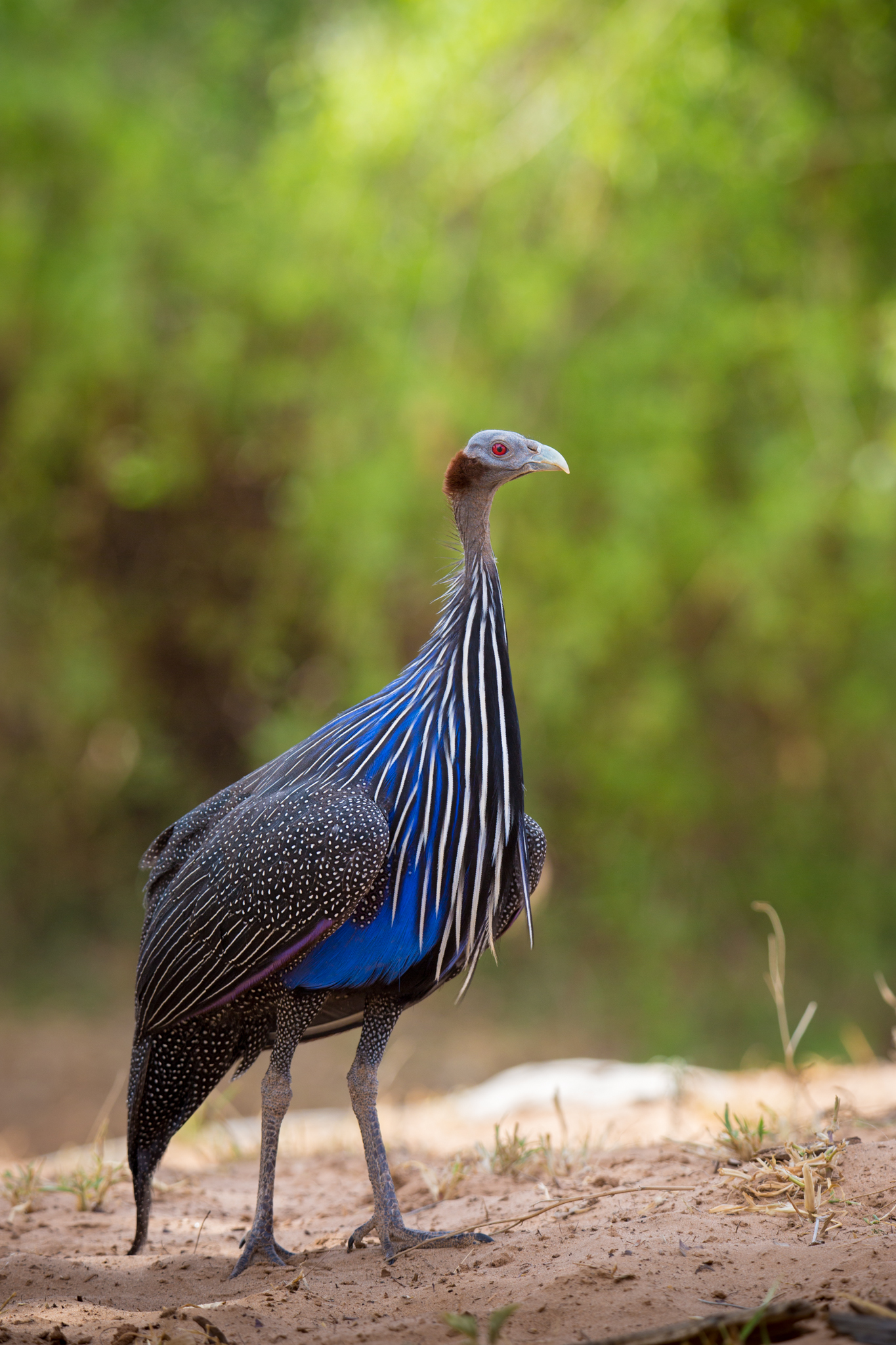
Northern Kenya hosts species absent from southern Africa.
Key species
- Vulturine Guineafowl
- Somali Ostrich
- Golden-breasted Starling
Best sites
- Samburu National Reserve
- Buffalo Springs and Shaba reserves
F. Coastal & Marine Birds
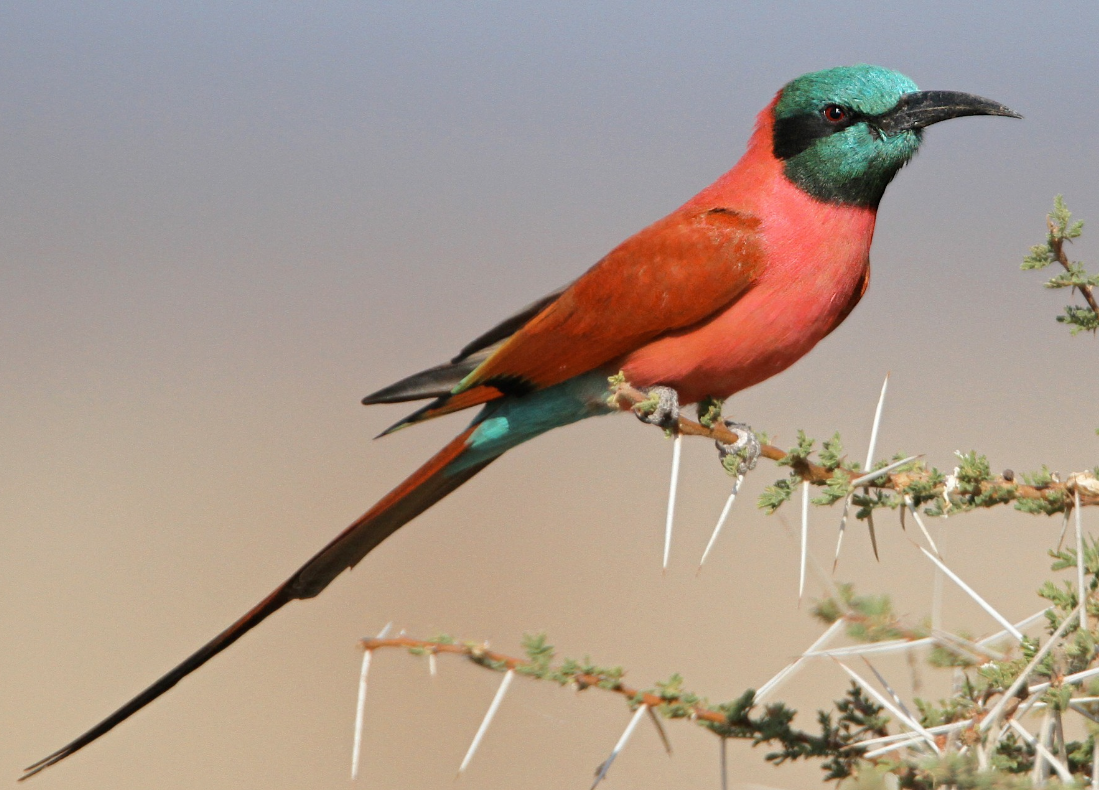
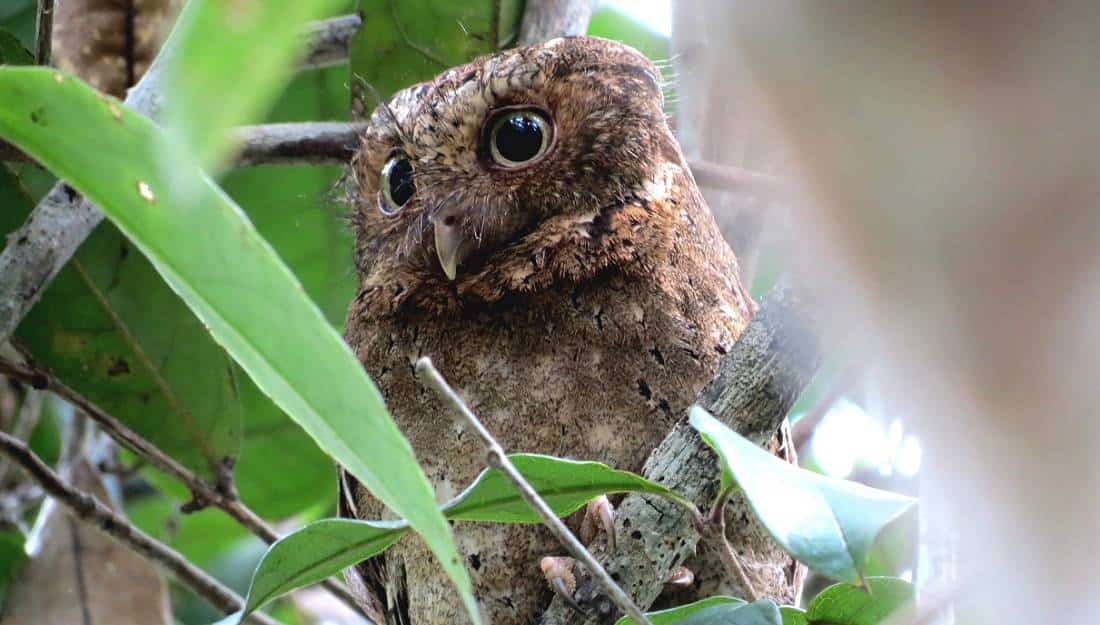

Kenya’s coastline adds marine and Swahili Coast specialties.
Key sites
- Arabuko Sokoke Forest – endemics and rare species
- Watamu Marine Park
Notable species
- Sokoke Scops Owl
- Crab-plover
- Terns, gulls, and shorebirds
3. Migratory Birds in Kenya
Kenya lies on the East African flyway.
Migrant categories
- Palearctic migrants (European & Asian breeders)
- Intra-African migrants
Examples include:
- Steppe Eagle (EN)
- Barn Swallow
Peak migration: October–April
4. Endemic & Near-Endemic Birds of Kenya
Kenya has few strict endemics, but many near-endemics shared with Tanzania or Ethiopia.
Notable examples:
- Sharpe’s Longclaw (EN)
- Clarke’s Weaver
These species drive Kenya’s global conservation importance.
5. Conservation Status of Kenyan Birds
| Category | Approximate count |
|---|---|
| Critically Endangered | 20+ |
| Endangered | 30+ |
| Vulnerable | 60+ |
Major threats
- Wetland degradation
- Poisoning (especially vultures)
- Deforestation
- Climate change affecting migration and lakes
Birds act as early-warning indicators of ecosystem collapse.
6. Best Birding Destinations in Kenya (Summary)
| Region | Key Strength |
|---|---|
| Rift Valley Lakes | Waterbirds, flamingos |
| Masai Mara | Raptors, savanna birds |
| Kakamega Forest | Rainforest species |
| Samburu region | Arid-north specialties |
| Mount Kenya & Aberdares | Montane birds |
| Coast | Endemics & seabirds |
Birds Species in Kenya – List:
Kenya has 1,100+ recorded bird species, making a single page listing every species impractical and—frankly—less useful than a family-based framework.
1. Ostriches & Allies
Struthionidae (Ostriches)
- Common Ostrich
- Somali Ostrich
Large, flightless birds of savanna and arid north; Kenya is one of few countries with two ostrich species.
2. Waterfowl
Anatidae (Ducks, Geese, Swans)
- Egyptian Goose
- Spur-winged Goose
- White-faced Whistling Duck
Found on lakes, rivers, wetlands, and seasonal floodplains.
3. Gamebirds
Phasianidae (Francolins, Spurfowl, Quail)
- Yellow-necked Spurfowl
- Coqui Francolin
Numididae (Guineafowl)
- Helmeted Guineafowl
- Vulturine Guineafowl
Ground-dwelling birds of savanna, woodland, and arid regions.
4. Grebes, Flamingos & Water Specialists
Podicipedidae (Grebes)
- Little Grebe
Phoenicopteridae (Flamingos)
- Lesser Flamingo
- Greater Flamingo
Iconic Rift Valley soda-lake specialists.
5. Pigeons & Doves
Columbidae
- Speckled Pigeon
- African Green Pigeon
- Laughing Dove
Widespread across forests, towns, and savannas.
6. Bustards, Cranes & Rails
Otididae (Bustards)
- Kori Bustard
Gruidae (Cranes)
- Grey Crowned Crane (EN)
Rallidae (Rails, Crakes, Gallinules)
- African Swamphen
Associated with wetlands and grasslands.
7. Shorebirds & Waders
Charadriidae (Plovers)
- Crowned Lapwing
Scolopacidae (Sandpipers, Snipes)
- Common Greenshank
- Wood Sandpiper
Includes many Palearctic migrants.
8. Gulls, Terns & Seabirds
Laridae
- Grey-headed Gull
- Whiskered Tern
Common on inland lakes and the Kenyan coast.
9. Storks, Ibises & Herons
Ciconiidae (Storks)
- Marabou Stork
- Saddle-billed Stork
Threskiornithidae (Ibises & Spoonbills)
- Sacred Ibis
- African Spoonbill
Ardeidae (Herons & Egrets)
- Goliath Heron
- Little Egret
Dominant wetland and floodplain birds.
10. Pelicans & Cormorants
Pelecanidae
- Great White Pelican
Phalacrocoracidae
- Reed Cormorant
Abundant on Rift Valley lakes and reservoirs.
11. Raptors (Birds of Prey)
Accipitridae (Eagles, Hawks, Vultures)
- African Fish Eagle
- Martial Eagle
- Bateleur
- African White-backed Vulture
Falconidae (Falcons)
- Peregrine Falcon
- Lanner Falcon
Kenya is a global raptor conservation priority.
12. Owls & Night Birds
Strigidae (Owls)
- Verreaux’s Eagle-Owl
- African Wood Owl
Caprimulgidae (Nightjars)
- Plain Nightjar
Mostly nocturnal, under-recorded but widespread.
13. Kingfishers, Bee-eaters & Rollers
Alcedinidae (Kingfishers)
- Pied Kingfisher
Meropidae (Bee-eaters)
- Little Bee-eater
Coraciidae (Rollers)
- Lilac‑breasted Roller
Colorful insectivores of open habitats.
14. Hornbills & Hoopoes
Bucerotidae
- Von der Decken’s Hornbill
- African Grey Hornbill
Upupidae
- Hoopoe
Seed dispersers and ecosystem engineers.
15. Woodpeckers & Honeyguides
Picidae
- Cardinal Woodpecker
Indicatoridae
- Greater Honeyguide
Honeyguides are uniquely African and culturally significant.
16. Parrots & Turacos
Psittaculidae
- Meyer’s Parrot
Musophagidae
- Hartlaub’s Turaco
- Great Blue Turaco
Strongly tied to forests and woodlands.
17. Passerines (Perching Birds)
Corvidae (Crows & Ravens)
- Pied Crow
Sturnidae (Starlings)
- Superb Starling
- Golden-breasted Starling
Ploceidae (Weavers)
- Village Weaver
- Clarke’s Weaver
Estrildidae (Waxbills & Finches)
- Common Waxbill
Nectariniidae (Sunbirds)
- Variable Sunbird
Motacillidae (Wagtails & Pipits)
- African Pied Wagtail
Laniidae (Shrikes)
- Fiscal Shrike
Passerines make up the majority of Kenya’s bird species.
18. Endemic & Near-Endemic Families and Species
Kenya has few strict endemics but many range-restricted species, especially in:
- Kakamega Forest
- Arabuko Sokoke Forest
- Kenyan Highlands
These taxa drive Kenya’s global conservation importance.
7. The Expert Takeaway
Birds are Kenya’s richest wildlife asset:
- More diverse than mammals
- More sensitive to environmental change
- More informative about ecosystem health
A true understanding of Kenya’s biodiversity begins not with the Big Five—but with its birds.