A science-led explanation separating myth from real risk, with a Kenya-focused perspective
Hyenas are among Africa’s most misunderstood animals. Their appearance, vocalizations, and portrayal in popular culture have created a persistent question for travelers and local communities alike: are hyenas dangerous to humans?
The short answer is yes, hyenas can be dangerous under specific conditions, but attacks are rare, highly context-dependent, and far less common than attacks by many other animals. Understanding risk requires distinguishing between species, behavior, and human context.
This guide focuses primarily on Spotted Hyena and Striped Hyena, the two species most relevant to Kenya.
1. The Science-Based Overview
Hyenas are large carnivores with powerful jaws, high intelligence, and complex behavior. From a biological standpoint, any large carnivore is capable of harming humans. However, capability does not equal likelihood.
Key facts
- Hyenas do not naturally hunt humans
- Most hyena–human incidents occur outside protected areas
- Risk increases with habituation, food availability, and poor waste management
In intact ecosystems, hyenas overwhelmingly prefer wild prey and carrion.
2. Spotted Hyenas vs Striped Hyenas: Risk Comparison
| Factor | Spotted Hyena | Striped Hyena |
|---|---|---|
| Average size | 45–85 kg | 22–40 kg |
| Social structure | Large clans | Mostly solitary |
| Hunting ability | Highly capable hunter | Rarely hunts |
| Typical behavior toward humans | Avoidant but bold near food | Extremely shy |
| Relative risk | Low–moderate (contextual) | Very low |
Spotted Hyenas
Spotted hyenas are powerful, confident, and adaptable, which explains many fear-based narratives. However:
- They avoid direct confrontation
- They are more likely to investigate smells and food than people
- Most incidents involve defensive behavior or food competition
Striped Hyenas
Striped hyenas are not considered dangerous to humans under normal circumstances:
- No documented pattern of predatory attacks
- Almost exclusively nocturnal and elusive
- Strong avoidance of people
3. When Do Hyena Attacks on Humans Occur?
Hyena attacks are not random. They cluster around specific, predictable conditions.
1. Habituation and food conditioning
The single biggest risk factor is access to human food:
- Open garbage dumps
- Slaughter waste near settlements
- Feeding hyenas intentionally or unintentionally
Food-conditioned hyenas lose their natural avoidance of humans.
2. Sleeping outdoors or unprotected at night
Most recorded attacks involve:
- People sleeping outdoors
- Children left unattended at night
- Temporary shelters near wildlife corridors
This risk is situational, not inherent to hyena behavior.
3. Injured, cornered, or defensive encounters
Like any wild animal, hyenas may attack if:
- Cornered
- Trapped
- Protecting cubs or a carcass
4. Hyenas vs Other Dangerous Animals (Context Matters)
Hyenas are often perceived as exceptionally dangerous, yet data tells a different story.
| Animal | Relative risk to humans in Africa |
|---|---|
| Hippopotamus | Very high |
| Crocodile | Very high |
| Elephant | High |
| Lion | Moderate |
| Hyena | Low–moderate |
| Leopard | Low |
Hyenas are far less likely to attack humans than hippos or crocodiles, and comparable or lower risk than lions in most regions.
5. Hyenas in Kenya: Real-World Context
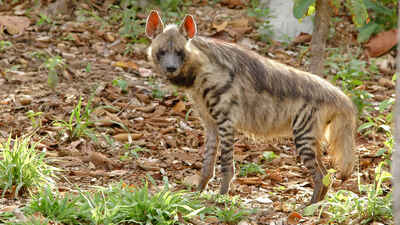
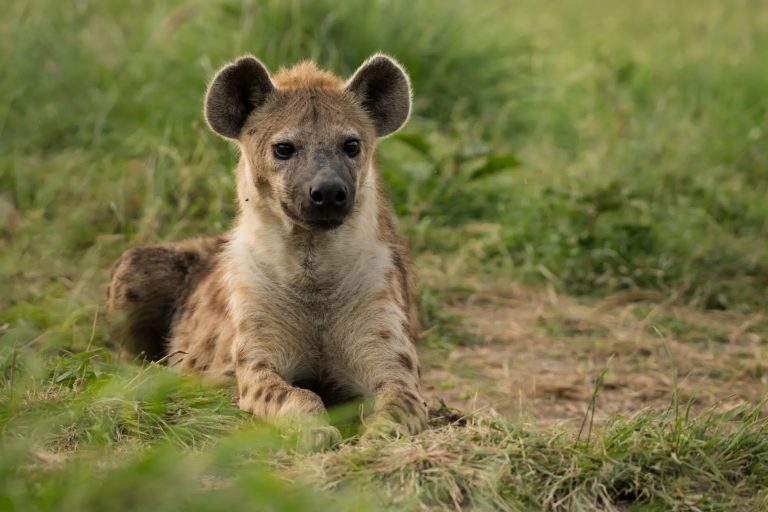

In Kenya, hyena behavior differs sharply between protected areas and human-dominated landscapes.
In national parks and reserves
- Hyenas avoid people and vehicles
- Incidents involving tourists are extremely rare
- Sightings are frequent but non-threatening
Examples include:
- Masai Mara National Reserve
- Amboseli National Park
- Nairobi National Park
Near settlements and towns
Risk increases when:
- Waste is unmanaged
- Livestock carcasses are accessible
- Hyenas are persecuted or injured
Even then, attacks remain uncommon and preventable.
6. Are Hyenas a Threat to Children?
This question deserves clarity.
- Hyenas do not target children as prey
- Most child-related incidents occur when children sleep outdoors or wander at night
- These incidents reflect human vulnerability, not hunting behavior
Proper lighting, secure housing, and waste control dramatically reduce risk.
7. How to Stay Safe Around Hyenas (Practical Guidance)
For safari visitors
- Never walk at night without a guide
- Do not leave food or scraps outside tents
- Respect lodge and camp safety rules
For communities and camps
- Secure waste and slaughter remains
- Use predator-proof livestock enclosures
- Avoid intentional feeding
Where coexistence measures are in place, conflict drops sharply.
8. Why Hyenas Are Feared More Than They Should Be
Hyenas suffer from a reputation problem, driven by:
- Their scavenging role
- Nighttime activity
- Vocalizations interpreted as aggression
Ironically, hyenas are:
- Among the most effective disease-control animals
- Critical to ecosystem health
- More likely to flee than attack
Fear often leads to poisoning, which kills hyenas indiscriminately and destabilizes ecosystems.
9. The Expert Verdict
Are hyenas dangerous to humans?
Potentially, but rarely—and only under specific, preventable conditions.
In Kenya and across Africa:
- Hyenas are not man-eaters
- They pose far less risk than commonly believed
- Most incidents result from human behavior, not hyena aggression
Understanding hyenas reduces fear. Reducing fear saves lives—both human and animal.